
Understanding Healthy Cat Breeding: The Importance of Screening and Responsible Practices
For cat lovers, the joy of welcoming a new kitten into the family is an exciting experience. However, understanding the breeding process and the responsibilities that come with it is essential for ensuring the health and well-being of both the parents and their kittens. In this post, we’ll explore the importance of screening breeding cats for conditions like Polycystic Kidney Disease (PKD) and Hypertrophic Cardiomyopathy (HCM), as well as testing for Feline Immunodeficiency Virus (FIV) and Feline Leukemia Virus (FeLV). We will also highlight the critical differences between responsible and irresponsible breeders.
The Importance of Health Screening
1. Understanding PKD and HCM
• Polycystic Kidney Disease (PKD): PKD is a genetic condition that leads to the formation of fluid-filled cysts in the kidneys, causing kidney failure over time. This disease is particularly common in certain breeds, such as Persians and Himalayans. Screening both parents for PKD can help prevent passing this condition on to their kittens.
• Hypertrophic Cardiomyopathy (HCM): HCM is the most common heart disease in cats, characterized by thickening of the heart muscle. This condition can lead to serious health issues and even sudden death. Many breeds, especially Maine Coons and Ragdolls, are prone to HCM. Screening for this condition helps ensure that kittens are less likely to inherit it.
2. Testing for FIV and FeLV
FIV and FeLV are viral infections that can severely affect a cat’s health. Testing for these viruses is crucial because:
• Feline Immunodeficiency Virus (FIV) weakens the immune system, making cats more susceptible to infections.
• Feline Leukemia Virus (FeLV) can cause various health problems, including cancer, and is often fatal.
By ensuring that both parents are negative for these viruses, breeders can protect the health of their kittens and help prevent the spread of these diseases.
Responsible Breeding Practices
1. The Role of Responsible Breeders
Responsible breeders prioritize the health and welfare of their cats. They:
• Screen both parents for genetic conditions (PKD and HCM) and test for FIV and FeLV.
• Maintain a high standard of care for their cats, providing a safe, clean, and loving environment.
• Ensure that breeding cats are physically and emotionally healthy before mating.
• Limit the frequency of breeding to allow time for recovery and health maintenance.
By making these efforts, responsible breeders contribute to the long-term health of the breed and ensure that their kittens are less likely to face significant health challenges.
2. The Risks of Irresponsible Breeding
Irresponsible breeders, on the other hand, often neglect these essential health screenings and testing. They may:
• Breed cats without considering genetic health, leading to the propagation of inherited diseases like PKD and HCM.
• Fail to test for FIV and FeLV, risking the health of their kittens and increasing the chance of viral transmission.
• Focus solely on profit, often compromising the welfare of the animals involved.
This lack of responsibility can lead to significant health problems for kittens, resulting in heartache for both the animals and their future owners.
Making Informed Choices
As a cat lover, it’s crucial to make informed choices when considering adding a kitten to your family. Look for breeders who:
• Provide documentation of health screenings and test results for PKD, HCM, FIV, and FeLV.
• Are willing to discuss their breeding practices and the health of their breeding cats openly.
• Show a commitment to the health and well-being of their cats over profit.
By supporting responsible breeders who prioritize health testing, you can help ensure that your future feline companion is healthy and has the best chance at a long, happy life.
Conclusion
Healthy cat breeding is essential for the well-being of our beloved felines. By understanding the importance of health screenings and the differences between responsible and irresponsible breeders, you can make informed decisions that contribute positively to the cat community. Your choice not only affects your kitten’s health but also the broader efforts to maintain healthy breeds for generations to come.
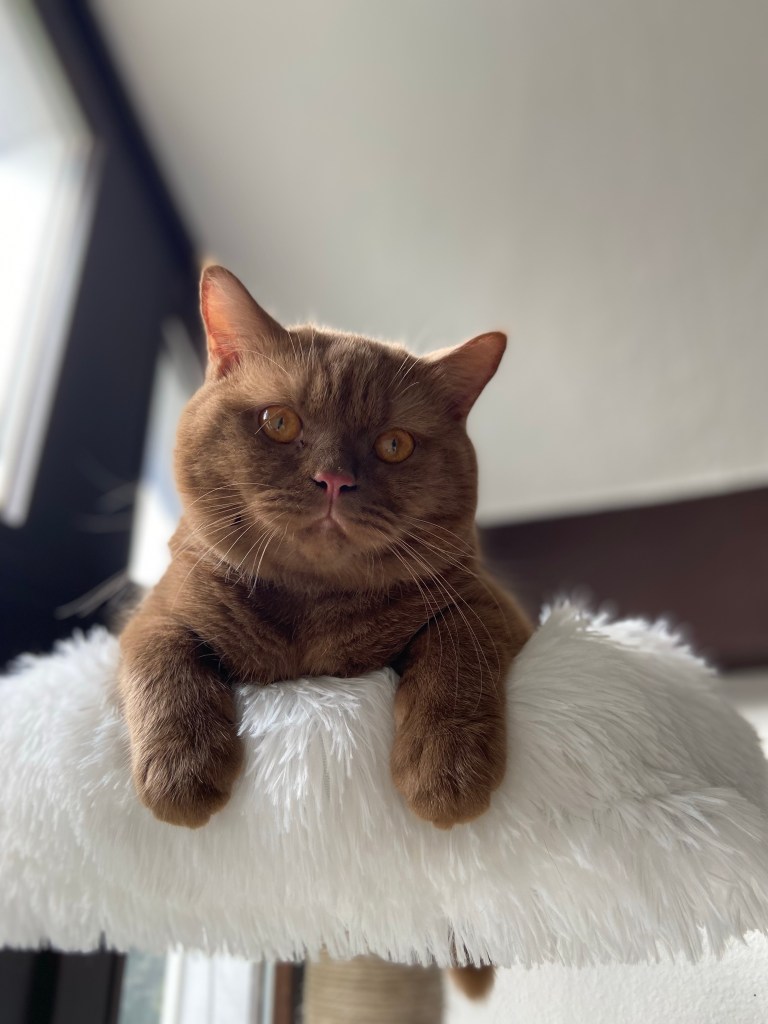
 cattery of Zucci Rucci
Leave a comment